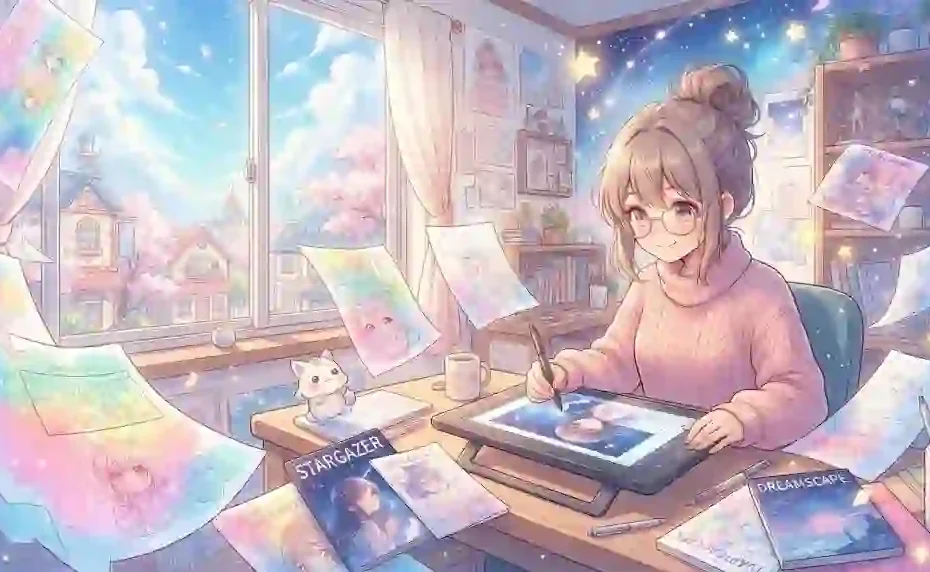
You love anime and manga but feel lost navigating the massive world of fan-created works. Searching for doujin moe content often leads to confusing sites, scattered information, and zero context about what you actually find. This guide fixes that problem by breaking down everything about doujin moe culture, its history, art styles, and the communities that keep it thriving worldwide.
What Is Doujin Moe and Why Does It Matter
Doujin moe combines two powerful Japanese creative concepts into one vibrant subculture. The word “doujin” refers to self-published works created by individuals or small circles outside the mainstream publishing industry. “Moe” describes the strong emotional response fans feel toward cute, endearing character designs and personality traits.
When these two ideas merge, you get doujin moe — fan-made comics, illustrations, and stories that celebrate the adorable qualities of beloved characters. This movement started in Japan during the 1970s and has since grown into a global phenomenon that influences how fans interact with their favorite anime and manga series.
The doujin moe community thrives on creativity and passion. Artists pour their hearts into reimagining characters from popular franchises, adding personal flair while honoring the source material. This dedication separates doujin moe works from generic fan art and gives them a distinct identity within the broader otaku culture.
The History of Doujinshi and the Rise of Moe Culture
Doujinshi publishing traces its roots back to the Meiji era in Japan, when literary circles began self-publishing magazines and stories. The modern doujinshi movement exploded in the 1970s and 1980s alongside the growth of manga and anime fandoms. Comiket, the world’s largest doujinshi convention, launched in 1975 and still draws hundreds of thousands of attendees each year.
The moe aesthetic emerged later, gaining serious momentum during the late 1990s and early 2000s. Series like “To Heart” and “Kanon” popularized character designs built around emotional vulnerability, oversized eyes, and soft color palettes. Fans responded with overwhelming enthusiasm, and artists began producing doujin moe works that amplified these traits.
Today, doujin moe represents one of the most active segments of the doujinshi market. Creators at Comiket and digital platforms regularly release new works featuring moe-style interpretations of characters from virtually every major anime franchise. The doujin moe us community has also grown substantially as Western fans adopt and contribute to this creative tradition.
Understanding the Moe Aesthetic in Doujin Art
The moe aesthetic revolves around specific visual and narrative elements that trigger emotional attachment. Large, expressive eyes dominate character designs. Soft, rounded facial features replace sharp angles. Color palettes lean toward pastels and warm tones that create a gentle, inviting atmosphere.
In doujin moe artwork, these traits get amplified beyond what official studio productions typically allow. Independent artists have the freedom to push character designs further, emphasizing cuteness and charm in ways that mainstream publishers might avoid. This creative liberty makes doujin moe pieces stand out and attract dedicated followings.
Personality archetypes also play a huge role in the moe framework. Characters described as “tsundere,” “kuudere,” or “dandere” appear frequently in doujin moe works because these personality types generate strong emotional responses from readers. Artists understand which traits resonate most and craft stories that highlight them effectively.
Popular Anime Series in the Doujin Moe Community
Certain anime and manga franchises dominate the doujin moe landscape due to their large character rosters and passionate fanbases. Naruto doujin moe works rank among the most searched and downloaded categories online. Fans love reimagining characters like Tsunade in moe-style artwork that softens her tough exterior and highlights her more endearing qualities.
The doujin moe naruto category alone spans thousands of individual works across multiple platforms. Artists explore alternate storylines, comedic scenarios, and character interactions that the original series never covered. This creative expansion keeps the Naruto doujin moe community active years after the manga concluded.
Other major franchises include “To Love Ru,” which generates massive amounts of to love ru doujin moe content thanks to its large cast of female characters and comedic premise. “Shokugeki no Soma” also maintains a strong presence, with shokugeki no soma doujin moe works focusing on the series’ expressive character reactions and cooking-themed scenarios.
The oreimo doujin moe segment attracts fans of the “Ore no Imouto ga Konna ni Kawaii Wake ga Nai” series. This franchise practically built its identity around moe culture, making it a natural fit for doujinshi creators who specialize in cute character reinterpretations.
Doujin Moe Platforms and Where Fans Connect
Finding doujin moe content requires knowing which platforms host active communities and reliable archives. Several dedicated websites serve as hubs for doujinshi distribution, allowing artists to share their work with global audiences. The doujin moe dude community, for instance, refers to a well-known platform where users browse and download fan-made works across dozens of anime categories.
Digital distribution has transformed how fans access doujin moe content. The doujin moe app ecosystem continues to expand, with mobile applications offering streamlined browsing experiences and personalized recommendation algorithms. These tools make discovering new artists and series far easier than the old method of hunting through physical convention booths.
Social media platforms like Twitter and Pixiv also serve as critical distribution channels. Many doujin moe artists maintain active profiles where they post previews, works in progress, and links to full releases. Following these creators directly gives fans early access to new content and helps support independent artists financially.
The Doujin Moe Urakan Subgenre Explained
Within the broader doujin moe landscape, specific subgenres develop their own dedicated followings. The doujin moe urakan category represents one such niche, focusing on particular character dynamics and storytelling approaches that appeal to a specific segment of the fanbase.
Urakan-style doujin moe works often emphasize slice-of-life scenarios and gentle character interactions. The pacing tends to be slower and more contemplative compared to action-heavy doujinshi. Readers who enjoy quiet, emotionally resonant stories gravitate toward this subgenre because it delivers consistent moe appeal without relying on dramatic plot twists.
Artists working in the doujin moe urakan space typically develop recognizable personal styles. Their character designs share common traits — softer linework, muted backgrounds, and an emphasis on facial expressions over dynamic poses. This visual consistency helps readers identify urakan-style works at a glance and build loyalty to specific creators.
Character-Specific Doujin Moe Trends
Individual characters often become the focal points of entire doujin moe movements. Tsunade doujin moe works consistently rank among the most popular character-specific categories. Fans appreciate the contrast between her authoritative personality and the softer moe interpretations that doujinshi artists create.
The doujin moe tsunade niche demonstrates how a single character can sustain years of creative output. Artists explore different time periods from the Naruto series, alternate universe scenarios, and crossover concepts that place Tsunade in entirely new settings. Each variation attracts a slightly different audience while maintaining the core moe appeal.
Street fighter characters also appear regularly in doujin moe collections. The doujin moe street fighter category reimagines fighters like Chun-Li and Cammy with moe-style designs that contrast sharply with their muscular official appearances. This visual transformation creates an amusing disconnect that fans find highly entertaining.
Body swap scenarios represent another popular trend. Doujin moe body swap stories place characters in each other’s physical forms, creating comedic and emotional situations that highlight personality differences. These narratives give artists opportunities to draw familiar characters in unfamiliar ways, which keeps the visual content fresh and engaging.
How Doujin Moe Communities Support Independent Artists
The doujin moe ecosystem functions as a vital support network for independent creators. Unlike mainstream manga publishing, which involves strict editorial oversight and tight deadlines, doujinshi creation allows artists to work at their own pace and explore whatever concepts interest them most.
Free doujin moe distribution plays a significant role in building artist visibility. Many creators release sample chapters or complete short works at no cost to attract new readers and build their audience. Once fans connect with an artist’s style, they often purchase physical copies at conventions or support the creator through digital tip jars and subscription platforms.
The financial model behind doujin moe publishing remains surprisingly sustainable for dedicated creators. Top doujinshi circles generate substantial revenue through convention sales, online storefronts, and commissioned work. This economic viability encourages more artists to enter the space and contribute their unique perspectives to the community.
The Role of Femdom and Alternative Themes in Doujin Moe
Doujin moe content spans a wide range of themes and narrative approaches. The doujin moe femdom category explores power dynamics between characters, often reversing traditional gender roles for comedic or dramatic effect. These works appeal to readers who enjoy seeing familiar characters placed in unexpected situations.
Alternative themes allow doujin moe artists to push creative boundaries that mainstream publishers typically avoid. This freedom results in a diverse content library that caters to virtually every taste and preference within the anime fan community. The variety keeps the doujin moe scene dynamic and prevents it from becoming stale or repetitive.
Readers should approach these alternative categories with an understanding that doujinshi exists outside official canon. Character portrayals in doujin moe works reflect individual artist interpretations rather than the original creators’ intentions. This distinction matters when evaluating how characters behave in fan-made stories versus their official source material.
Legal and Ethical Considerations for Doujin Moe Fans
The legal status of doujin moe content occupies a complex gray area in intellectual property law. Japanese copyright holders have historically tolerated doujinshi creation because it promotes fan engagement and drives interest in official releases. Most major anime studios and manga publishers view doujinshi as free marketing rather than a competitive threat.
Western copyright enforcement operates differently, which creates complications for the doujin moe us community. Fans outside Japan should familiarize themselves with local copyright regulations and understand the risks associated with distributing or monetizing derivative works. Respecting creator rights ensures the long-term health of the doujinshi ecosystem.
Ethical consumption also matters. Supporting original artists by purchasing official merchandise and manga volumes helps sustain the franchises that inspire doujin moe creations in the first place. The healthiest fan communities balance their appreciation for derivative works with genuine support for the source material and its creators.
How to Start Creating Your Own Doujin Moe Artwork
Aspiring artists can enter the doujin moe space with relatively modest skills and equipment. The most important requirement is a genuine love for the characters and series you want to depict. Technical proficiency develops over time through consistent practice and community feedback.
Start by studying existing doujin moe works to understand common visual conventions and storytelling techniques. Pay attention to how successful artists handle facial expressions, body proportions, and panel layouts. Then begin creating simple one-page comics or single illustrations that capture the moe qualities of your favorite characters.
Sharing your work on platforms like Pixiv, Twitter, or dedicated doujinshi forums helps you build an audience and receive constructive criticism. Engage with other creators, participate in collaborative projects, and attend conventions when possible. The doujin moe community welcomes newcomers and provides abundant resources for skill development.
Doujin Moe Keyword and Category Reference Table
| Category | Primary Keyword | Popularity Level | Content Type |
|---|---|---|---|
| General Culture | doujin moe | Very High | Mixed media |
| US Community | doujin moe us | High | Digital archives |
| Platform Reference | doujin moe dude | High | Browsing hub |
| Subgenre | doujin moe urakan | Medium | Slice of life |
| Character Focus | doujin moe tsunade | Very High | Character art |
| Naruto Franchise | naruto doujin moe | Very High | Fan comics |
| To Love Ru | to love ru doujin moe | High | Comedy series |
| Shokugeki | shokugeki no soma doujin moe | Medium | Cooking theme |
| Street Fighter | doujin moe street fighter | Medium | Crossover art |
| Oreimo | oreimo doujin moe | Medium | Romance focus |
| Body Swap | doujin moe body swap | Medium | Scenario based |
| Mobile Access | doujin moe app | Growing | Application |
| Free Content | free doujin moe | Very High | Sample works |
| Femdom Theme | doujin moe femdom | Medium | Alternative |
Frequently Asked Questions About Doujin Moe
What exactly is doujin moe?
Doujin moe refers to self-published fan works that emphasize the moe aesthetic — cute, emotionally endearing character designs and personality traits. These works include comics, illustrations, and short stories created by independent artists outside mainstream publishing channels.
Is doujin moe content legal to read and share?
Japanese copyright holders generally tolerate doujinshi as fan engagement that promotes official franchises. Western copyright laws vary by region, so fans should research local regulations. Reading doujin moe content for personal enjoyment typically carries minimal legal risk in most jurisdictions.
Where can I find doujin moe artwork online?
Popular platforms include Pixiv, dedicated doujinshi archive sites, and social media channels like Twitter. The doujin moe app ecosystem also provides mobile-friendly browsing options. Always prioritize platforms that respect artist rights and credit creators properly.
How does doujin moe differ from official manga?
Doujin moe works are created by independent fans rather than the original series creators. They exist outside official canon and reflect individual artistic interpretations. This independence allows for greater creative freedom but means storylines and character portrayals may differ significantly from source material.
Can I sell my own doujin moe creations?
Many artists sell doujinshi at conventions like Comiket and through online storefronts. Japanese publishers generally permit this practice within reasonable limits. International sellers should verify local copyright laws and avoid directly reproducing trademarked logos or official artwork.
What makes the moe aesthetic unique in doujinshi?
The moe aesthetic prioritizes emotional connection through visual softness, expressive eyes, and endearing personality traits. In doujinshi, artists amplify these qualities beyond mainstream standards, creating works that trigger strong affectionate responses from readers who love specific characters or archetypes.
Join the Doujin Moe Community Today
The doujin moe world offers endless creative possibilities for both artists and fans. Whether you want to discover new artwork featuring your favorite characters, connect with passionate communities, or start creating your own moe-style doujinshi, the resources and platforms available today make getting started easier than ever.
Take the first step by exploring the platforms mentioned throughout this guide, following your favorite doujin moe artists on social media, and attending a local anime convention to experience the doujinshi community in person. Your next favorite piece of fan art is waiting to be discovered — go find it and support the incredible independent creators who make this vibrant culture possible.