An independent personal publication by Mariam Nazir
Thoughtful Writing About Comix and Comic Storytelling
Comixs.blog is a personal publishing space dedicated to clear, considered and accessible writing about comix. The site examines stories, characters, visual craft, reading experiences and the cultural ideas surrounding comics without reducing the medium to headlines or promotional excitement. Every article is presented under the direction of Mariam Nazir, with an emphasis on useful context, independent perspective and respect for the creative work behind the page.

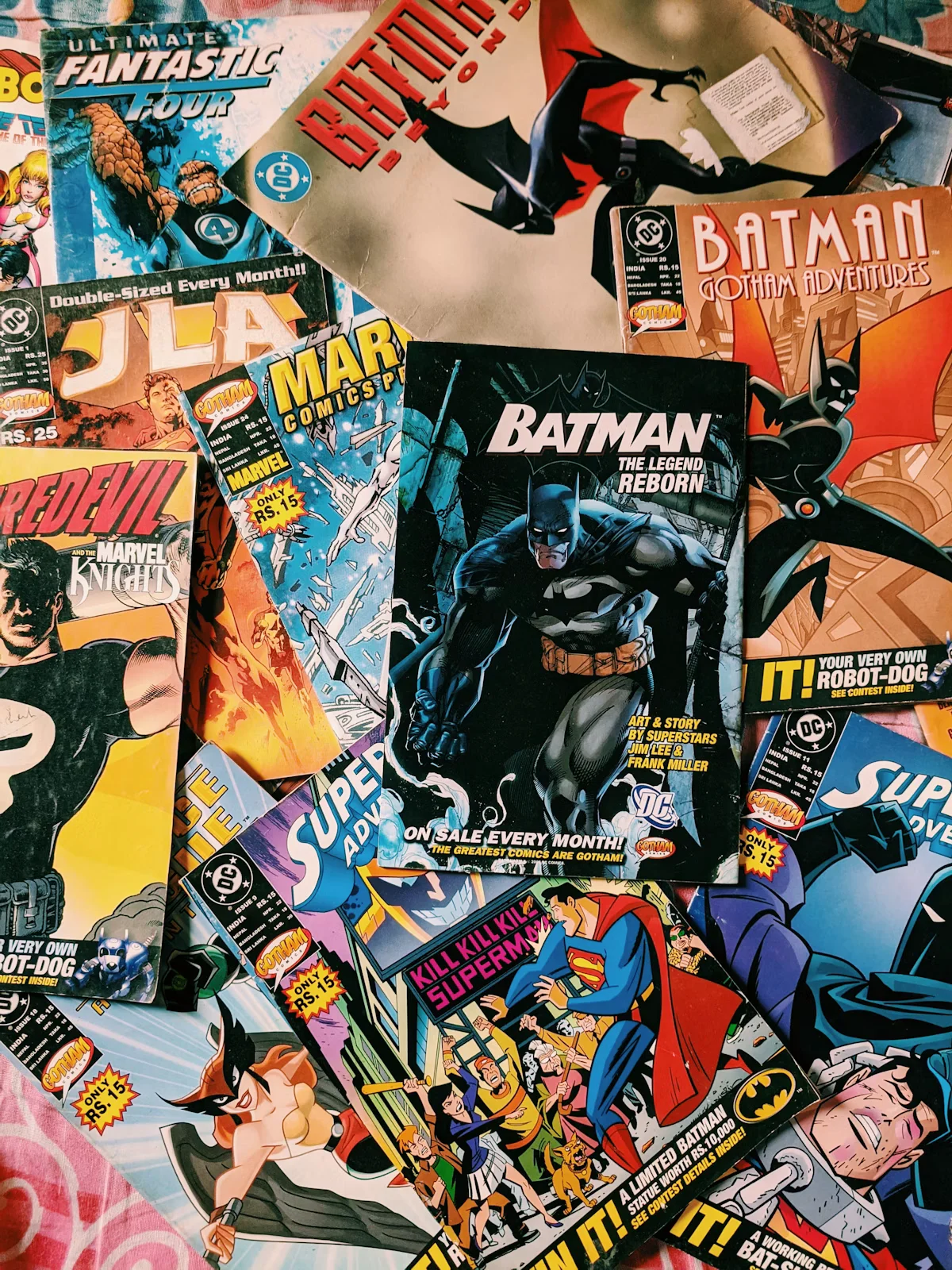
About this personal website
A Clear and Independent Home for Comix Readers
Comixs.blog was created as a personal website rather than a large entertainment organization. That distinction shapes the tone and purpose of the site. The articles are not presented as anonymous corporate content, and the website does not need to imitate the rapid publishing style of a large news network. It can instead give an idea enough room to be explained carefully, place a story in meaningful context and make the writer's point of view clear to the reader.
The word comix is used throughout this website as part of its identity and as a broad, reader-friendly term for the many forms of comic storytelling discussed here. Depending on the article, that discussion may include serialized comic books, collected editions, graphic novels, independent publications, web-based comics or other work built through the relationship between words and sequential images. The purpose is not to force every tradition into one narrow category. It is to create a practical starting point for thoughtful conversation.
A comic can be read quickly, but that does not make the work behind it simple. A single page can combine illustration, dialogue, captions, lettering, color, framing, pacing and deliberate empty space. Readers process all of those decisions together, often without stopping to name them. Comixs.blog slows that experience down when useful. It looks at why a page feels tense, why a character decision matters, how a visual transition affects time or why a familiar story becomes more effective in one version than another.
The site is intended to remain accessible to people with different levels of experience. A new reader should not feel excluded by unexplained terminology, while a long-time reader should still find enough context and analysis to make an article worthwhile. This balance is central to the editorial direction of Comixs.blog. The objective is not to prove who knows the most. It is to help readers notice more, understand more and enjoy the medium with greater confidence.


Editorial coverage
What You Can Expect to Find on Comixs.blog
The website covers several connected areas of comix culture. Each area gives Mariam Nazir room to approach the medium from a different direction while keeping the writing useful, understandable and focused on the reader.
Reviews Based on the Reading Experience
A useful review should explain more than whether a comic is good or bad. Reviews on Comixs.blog are designed to consider the work's purpose, structure, visual choices, characterization, pacing and intended audience. Opinion remains part of the review, but the reasoning behind that opinion matters just as much. Readers should be able to understand what worked, what felt less successful and whether the publication is likely to match their own interests, even when they reach a different conclusion from the writer.
Characters, Relationships and Story Decisions
Memorable characters are shaped by more than abilities, costumes or dramatic entrances. Their values, fears, contradictions, responsibilities and relationships determine how a story develops. Character-focused articles examine those elements without treating a fictional biography as a simple list of facts. The aim is to understand what a character contributes to a narrative, how different creators interpret that character and why a particular conflict continues to interest readers across changing settings, formats and generations.
Visual Storytelling and Page Construction
Comix are visual narratives, so the artwork cannot be treated as decoration placed around a script. Articles in this area look at panel size, composition, perspective, expression, color, lettering, transitions and the movement created across a page. The coverage also considers how writers, artists, colorists, letterers and editors contribute to the final reading experience. Recognizing those contributions makes it easier to appreciate why two stories with similar plots can create very different emotional and visual effects.
History, Context and Changing Conventions
Comic storytelling does not develop in isolation. Publishing practices, available technology, audience expectations, social attitudes and distribution methods all influence the work that reaches readers. Historical articles provide enough context to explain why a publication mattered in its own period and how its reputation may have changed. Rather than presenting history as a collection of dates, Comixs.blog connects creative decisions with the circumstances that helped shape them, while distinguishing documented information from interpretation.
Reading Guidance and Thoughtful Discovery
Large fictional worlds can be difficult to approach, particularly when several series, editions or timelines appear to offer different starting points. Reading guidance should reduce that confusion rather than create additional rules. Comixs.blog aims to explain what a reader needs to know, which material is optional and how different entry points serve different interests. Discovery articles may also introduce self-contained stories, independent work and creative approaches that deserve attention beyond the most visible names in popular culture.
Adaptation, Influence and Wider Culture
Stories often move between comics, film, television, games and other formats, but adaptation is not a simple test of exact accuracy. Each medium has different strengths, limitations and audience expectations. Articles may compare how a central idea changes between formats, what is gained through movement and sound, or what becomes clearer through the control of a printed page. The original comic is treated as a creative work in its own right, not merely as preparation for a screen version.
Reading with greater attention
Understanding Why the Comix Medium Is Distinctive
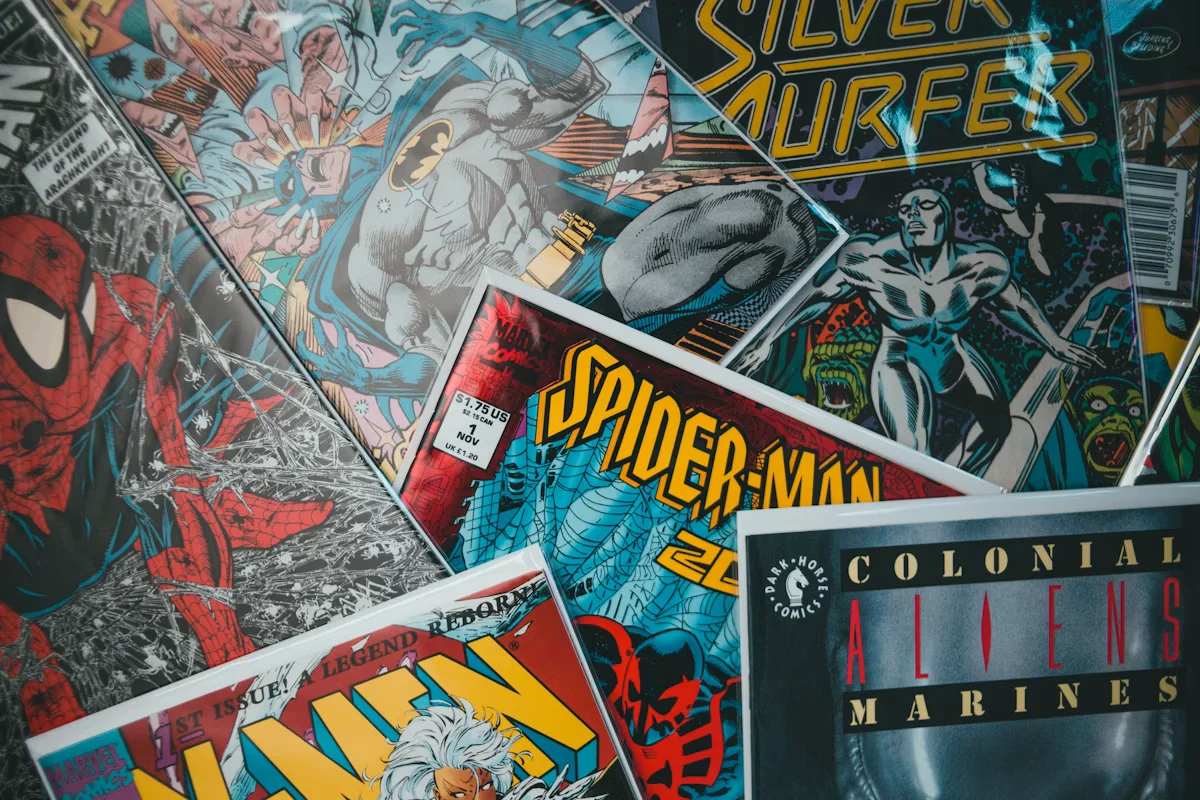
Sequential art asks the reader to participate in the construction of time. Two panels may show separate moments, but the reader mentally connects them and decides how the action moves from one to the next. A narrow panel can make a moment feel brief. A wide image can create distance, pause or spectacle. A silent sequence can slow attention and place greater importance on expression or movement. These choices are part of the narrative itself, not visual additions that can be separated from the story without consequence.
The space between panels is equally important. Readers do not see every action that occurs there, yet they infer motion, consequence and change. A creator can use that unseen interval to produce surprise, suspense, humor or uncertainty. When Comixs.blog examines a page or sequence, the discussion may consider what has deliberately been left out as well as what has been shown. That approach helps explain why a carefully controlled transition can communicate more effectively than a crowded page filled with explanation.
Lettering also affects how a comic is heard in the imagination. The placement and size of a speech balloon can guide reading order, indicate volume or alter the rhythm of an exchange. Captions can establish distance between a character's thoughts and visible actions. Sound effects can become part of the composition rather than sitting on top of it. Good lettering is often unnoticed because it guides the reader smoothly, but examining it reveals another layer of collaboration and design behind a successful publication.
Color, contrast and repeated visual motifs can connect scenes that occur in different places or periods. They can signal a change in mood before the dialogue confirms it, separate memory from present action or direct the eye toward an important detail. Black-and-white work creates its own possibilities through texture, shadow and negative space. By discussing these elements in direct language, Comixs.blog helps readers build a stronger vocabulary for explaining why a particular comic feels coherent, energetic, intimate or emotionally demanding.
A responsible publishing method
How Comixs.blog Approaches Each Article
Originality is not created by changing words from an existing page. It comes from selecting a meaningful question, consulting suitable material, forming an independent interpretation and explaining that interpretation clearly. The following process provides the editorial foundation for content published by Mariam Nazir.
Choose a Clear Question
Each article should begin with a defined purpose instead of a broad topic selected only because it is popular. A focused question produces more useful writing and prevents unnecessary repetition.
Review Relevant Material
The publication being discussed should remain the primary reference whenever possible. Necessary background can then be checked through reliable interviews, official credits and reputable documentation.
Separate Fact from Opinion
A publication date, creator credit and plot event are factual claims. An assessment of pacing or characterization is interpretation. Clear writing helps readers recognize the difference.
Write for the Reader
Background information should support the central discussion rather than increase length without purpose. Each section should answer a question, explain an idea or improve understanding.
Review and Correct
Names, credits, quotations and dates should be checked before publication. If a meaningful error is discovered later, the responsible response is to correct it rather than leave it in place.
For different kinds of readers
A Website Designed for Curiosity, Not Gatekeeping
New readers often encounter unnecessary pressure to understand years of publication history before beginning. Comixs.blog rejects the idea that there is only one correct way to become interested in comix. A reader may arrive through a film adaptation, a recommendation, a visual style, a particular writer or artist, or simple curiosity about a character. Each route is legitimate. Helpful guidance should provide context without turning that context into a barrier.
Experienced readers are also invited to engage with familiar material from a different angle. A thoughtful article does not need to reveal an unknown fact in every paragraph to be valuable. It can organize existing information more clearly, connect creative decisions that are usually discussed separately or provide an interpretation that encourages reconsideration. Long familiarity with a story can make comparison and disagreement more interesting, provided that the discussion remains respectful and supported by reasoning.
The result should be a space where enthusiasm and criticism can exist together. Appreciating a comic does not require ignoring its weaknesses, and noticing a weakness does not erase everything the work achieves. Comixs.blog aims for criticism that is direct without becoming dismissive. Creators, readers and fictional traditions can be discussed seriously while leaving room for differences in taste, experience and interpretation.
Daily publishing with a purpose
Fresh Comix Writing Without Unnecessary Filler
Comixs.blog is planned around daily publishing, but frequency should never become an excuse for empty repetition. A shorter article can be valuable when it answers a specific question clearly. A longer article is justified when the subject requires historical context, close reading or comparison. Word count alone does not determine quality. The appropriate length is the amount of space required to satisfy the reader's likely purpose without hiding the central answer.
The daily schedule allows the site to alternate between timely and lasting subjects. A new release may invite an immediate review, while an older sequence may support a detailed examination that remains useful well after publication. Character studies, visual analysis, reading guidance and reflective essays can create variety without moving away from the site's central focus. This structure gives regular visitors something new while building a useful collection for future readers.
Publishing regularly also creates a responsibility to maintain consistency. Titles should describe the actual subject, introductions should explain what the article will provide and conclusions should resolve the discussion rather than repeat the opening. Internal links can guide readers to genuinely related material, but they should not be added only to influence search performance. Every page should stand on its own while fitting naturally into the wider Comixs.blog archive.
Editorial principles
The Standards Behind This Personal Comix Website
Search visibility is useful only when the page reached through search is worth the reader's time. Comixs.blog therefore places reader value, transparency and clarity ahead of shortcuts intended only to attract traffic.
Independent Perspective
Articles should contain a clear contribution from Mariam Nazir rather than reproduce summaries already available elsewhere. A useful perspective explains how its conclusion was reached and leaves room for readers to form their own view.
Accurate Attribution
Comics are collaborative. Writers, artists, colorists, letterers, editors and other credited contributors should be identified accurately when their work is relevant to the discussion.
Clear Use of Sources
Direct quotations and factual claims should be connected to reliable sources. Other people's reporting, research or analysis should never be presented as original work.
Respect for Copyright
Images, scans and artwork should not be copied simply because they appear in a search result. Original, licensed or appropriately permitted media should be used with suitable attribution where required.
Honest Corrections
If important information changes or a factual mistake is identified, the article should be reviewed and corrected. Accuracy is more important than pretending that a published page can never be improved.
Natural Search Optimization
The focus keyword comix should appear where it helps identify the subject. Repeating it unnaturally in every sentence would weaken the writing and make the page less useful to human readers.
Using the website
How to Get the Most from Comixs.blog
The latest article index is the simplest place to begin when you want to see newly published material. From there, choose a subject that matches your current interest rather than feeling that every article must be read in a particular order. Most posts should provide the context needed to understand their main discussion, and related internal links can offer additional background when it is genuinely helpful.
When reading a review or analysis, remember that factual description and critical interpretation perform different roles. A reader can agree with the information in an article while reaching another conclusion about the creative work. Productive criticism does not require complete agreement. It requires enough clarity for people to understand the evidence, assumptions and values behind a particular opinion.
If an article raises a question that has not been addressed, or if you notice information that may require correction, use the Contact Us page. Suggestions can help identify topics that deserve future attention, although submission does not guarantee publication. The final decision should depend on relevance, available source material and whether the proposed subject can produce something useful for the wider Comixs.blog audience.
Continue reading
Explore the Latest Writing from Comixs.blog
Discover recent articles about comix, characters, visual storytelling, reading culture and the creative work behind the page.
About the author
Written and Curated by Mariam Nazir
Mariam Nazir is the creator, writer and editor behind Comixs.blog. As an independent author with a genuine passion for comic storytelling, she personally researches, writes and reviews every article published on this website. Her goal is to make comix culture more accessible, thoughtful and enjoyable for readers of all experience levels — from those picking up their very first graphic novel to long-time fans exploring familiar characters and stories from a fresh perspective.
Every piece on Comixs.blog reflects her commitment to clear writing, honest analysis and respect for the creative teams behind each page. Rather than chasing trends or repeating promotional material, Mariam Nazir focuses on building a personal publication that readers can trust for well-considered reviews, character studies, visual analysis and reading guidance across the wide and ever-evolving world of comix.