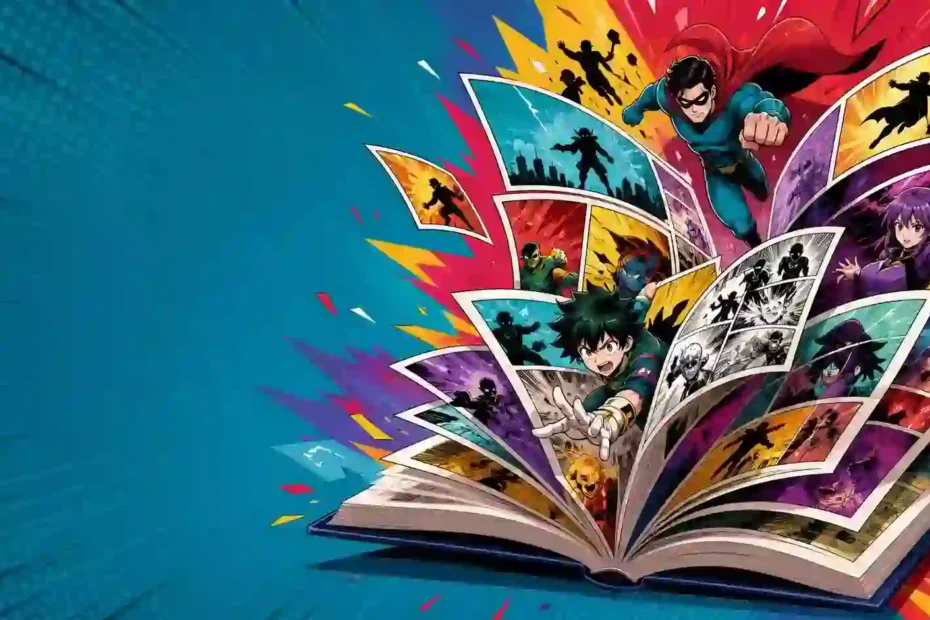
You already love stories. You love images that move, characters that linger, and worlds that feel real. Yet the comix universe still feels crowded and confusing to newcomers. So many names, eras, labels, and platforms crowd the space. This guide maps the entire field in one place. Read it, and you will know exactly where to start, what to buy, and how to enjoy every page.
The word comix covers more than superheroes. It is an umbrella term for sequential art: classic comic books, manga, webtoons, graphic novels, and underground zines. Anyone who reads panels in order is reading comix. Understanding this one word opens the door to a century of storytelling.
A Quick History: From Penny Comics to a Global Art Form
Comic strips began in newspapers in the 1890s. Artists like Richard Outcault drew single panels that made readers laugh. These strips grew into comic books. The Golden Age arrived in 1938 when Superman debuted in Action Comics #1. Millions of kids bought these cheap, thrilling magazines.
Publishers Marvel and DC built modern mythologies from these roots. Creators introduced iconic characters and sprawling shared universes. By the 1960s, Stan Lee, Jack Kirby, and Steve Ditko redefined superhero warmth and humor. Readers began treating comic books as serious storytelling rather than disposable fun.
That shift never stopped. Self-published artists in the 1970s pushed boundaries with mature themes. Japanese manga reached Western shelves in the 1980s. South Korean webtoons digitized the art form in the 2000s. Each wave built on the last, and the medium grew richer.
Comix vs. Comics vs. Manga vs. Graphic Novels
| Term | Format | Origin | Typical Length | Best For |
|---|---|---|---|---|
| Comics | Short monthly issues | United States and Europe | 20–32 pages | Serialized superhero and genre tales |
| Comix | Indie, subversive, self-published | Underground scenes worldwide | Varies, often collected | Mature ideas, personal work, experimental art |
| Manga | Black-and-white books | Japan | 40–200+ pages | Long, character-driven sagas |
| Graphic novels | Complete standalone books | Global | 100+ pages | Deep, self-contained stories |
| Webtoons | Vertical strips, full color | South Korea, web-native | Episodic, now global | Free, fast, mobile reading |
These labels overlap. A Japanese manga series becomes a graphic novel in print. An indie creator labels their work a webtoon or a graphic novel. Do not stress over the tags. Pick the format that matches your mood and your reading time.
The Publishers and Creators You Should Know
Marvel gives you Spider-Man, X-Men, and the Black Panther. DC offers Batman, Wonder Woman, and Superman. Image Comics lets creators own their work, producing hits like Saga and Invincible. Dark Horse brought us Hellboy and a diverse licensed catalog. Boom! Studios and IDW shine in horror and licensed worlds.
Indie creators matter just as much. Artists such as Tillie Walden, Emil Ferris, and Alison Bechdel turn personal life into breathtaking books. Japanese mangaka like Eiichiro Oda and Naoko Takeuchi shape global culture. These creators prove that one person with a pencil can launch a movement.
Support small presses and self-publishers whenever you can. Indie comix explore voices and viewpoints that big studios skip. A decade from now, readers will point to an unknown artist you championed today.
Comic Book Eras Explained
Collectors group comic history into distinct periods. The Golden Age (1938–1956) birthed the first superheroes. The Silver Age (1956–1970) returned heroes with scientific spins. The Bronze Age (1970–1985) tackled social issues and darker themes. The Modern Age (1985–today) delivers mature, cinematic stories.
Learn these eras for smarter collecting and richer reading. You will spot a book’s age by its cover, paper, and storytelling style. Trends circle back, too. Modern artists constantly remix Golden Age imagery, so history stays alive in every new release.
Why Comic Books Matter
Comics build reading skills. The combination of images and words helps new readers decode meaning faster. Teachers and librarians report stronger literacy in students who read graphic novels. Comics also make complex topics approachable, from history to science.
Comics carry culture. They preserve the fears, hopes, and humor of each generation. The Library of Congress holds the world’s largest public comic collection, with over 190,000 original print issues. That archive proves these stories are national treasures worth protecting.
A comic can comfort a child, challenge an adult, and connect a community. A single panel can make you laugh, cry, or think for hours. That emotional range is the medium’s real power.
How to Start Reading Comix
Begin with a single compelling book. Choose a graphic novel that matches a hobby you already love. A space fan might start with Saga. A mystery lover could pick a noir collection. Do not buy ten issues at once. Read one strong story first.
Grow your habit with simple steps. Set a weekly reading goal. Visit your local library for free copies. Join a discussion group online. Track favorites to find your taste. A short daily reading habit beats a rushed weekend binge.
Feeling stuck? Start with a webtoon. Serialized webcomics release a little at a time, so you never feel overwhelmed. Sample several series, keep the ones that hook you, and drop the rest guilt-free.
Digital Comics, Manga, and Webtoons
Digital reading exploded over the last decade. Platforms like WEBTOON and Tapas deliver vertical strips optimized for phones. Readers scroll through color panels in a single sitting. Free chapters make it easy to sample before committing.
Webtoons now rival traditional comics for attention. Korean webtoons like Tower of God and Lore Olympus gained millions of global fans. Print publishers license these hits into handsome books. The digital world feeds the print world, so all readers benefit.
Digital formats also help new artists. A creator publishes one page online and finds an audience in weeks, not years. This speed encourages experimentation and keeps the art form fresh.
How to Collect Comix
Collect for love first, value second. The most fulfilling collections hold books you actually enjoy. Rare print runs, signed copies, and iconic first issues grow in worth over time. Grading services such as CGC rate condition and protect a book’s value.
Protect your investment with care. Use acid-free bags and boards. Store books upright away from sunlight and humidity. Keep key issues in boxes on sturdy shelves. Handle books by the edges, never the cover.
Set a collecting budget and stick to it. Chase the books you adore, not the ones everyone flips for profit. A collection built on passion becomes a lifetime of joy.
Where to Read and Buy Comic Books Online
Bookshops and comic stores remain the best place to browse. Local comic shops offer curated racks and expert advice. Online retailers deliver wide catalogs to your door. Digital services give instant access to library-sized collections.
Look for rental and subscription options too. Your public library likely offers free digital comics through apps. Paid reading apps let you borrow books for a small fee. Compare a few services before subscribing, then choose the one that fits your budget.
Seasoned readers visit conventions for rare finds. There you meet creators, grab signatures, and discover work before it trends. Combine online shopping, libraries, and conventions for the widest access.
Comic Book Myths, Cleared Up
Some people say comics are only for kids. Modern titles tackle war, grief, love, and politics for adults. The medium grows with its audience. A mature graphic novel can be as profound as any novel.
Other people say comics are easy to make. They are wrong. Great comics demand writing, drawing, paneling, lettering, and timing. Another myth claims comics are not true art. Museums and universities now study them seriously. The Center for Cartoon Studies in Vermont offers an entire MFA in sequential art, honoring the craft.
How to Create Your Own Comic
Start small and finish everything. Draw a four-panel strip before a 200-page epic. Write a short script, sketch rough pages, then polish. You will learn more from one finished project than many abandoned ones.
Learn the craft from trusted sources. Study panel flow and pacing in books you admire. Keep a sketchbook for daily ideas. Share work online to get feedback. Publishing comix has never been easier, so your first comic is within reach.
Master the basics in this order: script, thumbnails, pencils, inks, colors, lettering. Mastery takes years, but progress comes fast. Your tenth page will look far better than your first.
Comix in Schools and Libraries
Schools add graphic novels to classrooms because they work. Reluctant readers open them willingly. Complicated historical events come alive through images. Visual narratives support students who struggle with dense text blocks.
Libraries champion comics and defend free expression. The Comic Book Legal Defense Fund (CBLDF) protects the right to read, teach, and sell comics. The organization supplies tool kits for librarians facing book challenges. This support keeps diverse stories available to young readers everywhere.
Parents can spark a lifelong love of reading here. Offer a graphic novel alongside a traditional chapter book. Many hesitant readers finish their first full story through comics alone.
Frequently Asked Questions About Comix
Is comix the same as comic books?
Not exactly. Comic books are a specific format, while comix is a broad term for sequential art. Comix includes comic books, manga, webtoons, and graphic novels. Think of comic books as one branch of the larger comix tree.
What is the best comix for beginners?
Pick a beloved graphic novel. The Sandman, Saga, or a lighthearted title works well. Ask a local librarian for tailored recommendations. A single immersive book beats a stack of random issues.
Are comics good for kids?
Yes, when you choose age-appropriate titles. Many graphic novels teach empathy, courage, and literacy. Read reviews and preview pages before handing a book over. Great all-ages series exist for every reading level.
How do webtoons differ from traditional comics?
Webtoons read vertically and update in installments online. Traditional comics print in standard pages and issues. Webtoons are often colorful and mobile-first. Both deliver the same powerful panel-based storytelling.
Can I make money creating comics?
Creators earn through sales, digital subscriptions, and licensing. Self-publishing on web platforms builds an audience first. Success often follows consistent output and a strong voice. Start with passion, and revenue can follow.
Where can I read comics for free?
Your public library is the best free option, in print and digital. Free webtoon chapters exist on many platforms. Sample the first issues of series before buying. Libraries and free trials let you read widely without cost.
Your Next Great Read Awaits
Comics, manga, and webtoons share one heartbeat: they make stories visible. You have learned the eras, the publishers, the formats, and the platforms. You know how to start, what to collect, and where to read. No gatekeeper stands between you and the next great panel.
Pick one title from this guide and open it tonight. Visit your local library or comic shop and ask a question. Share a favorite with a friend, or start sketching your own page. The comix universe is vast, generous, and waiting for you. Your next adventure begins on the very next page.